
Sample Instructional Strategies
Short Experiential
Activities
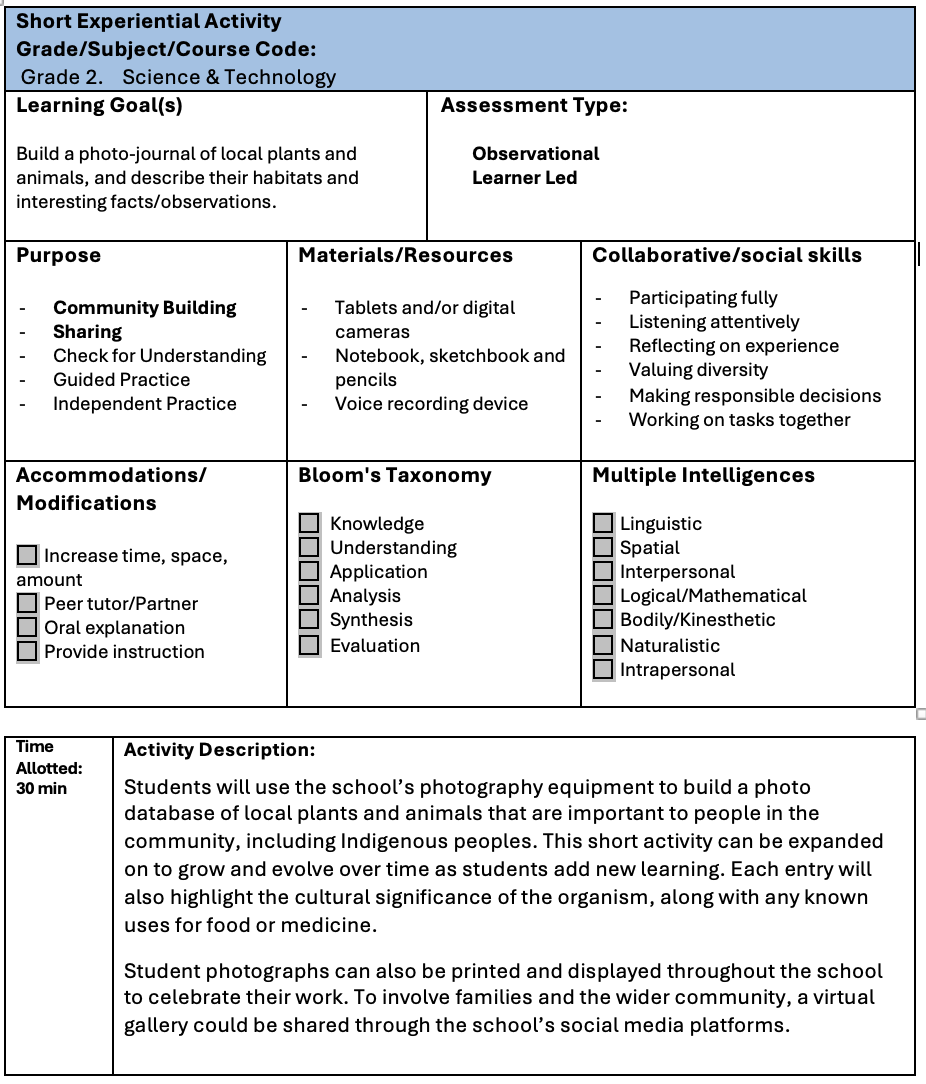
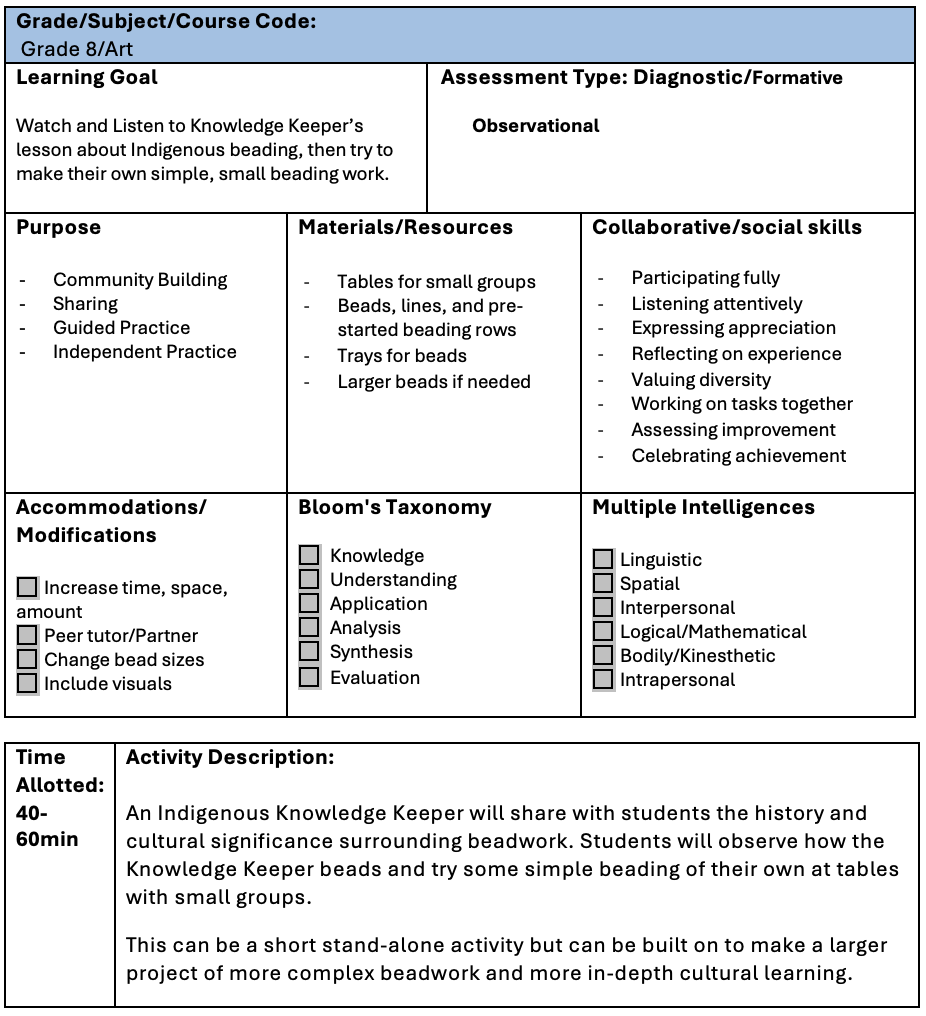
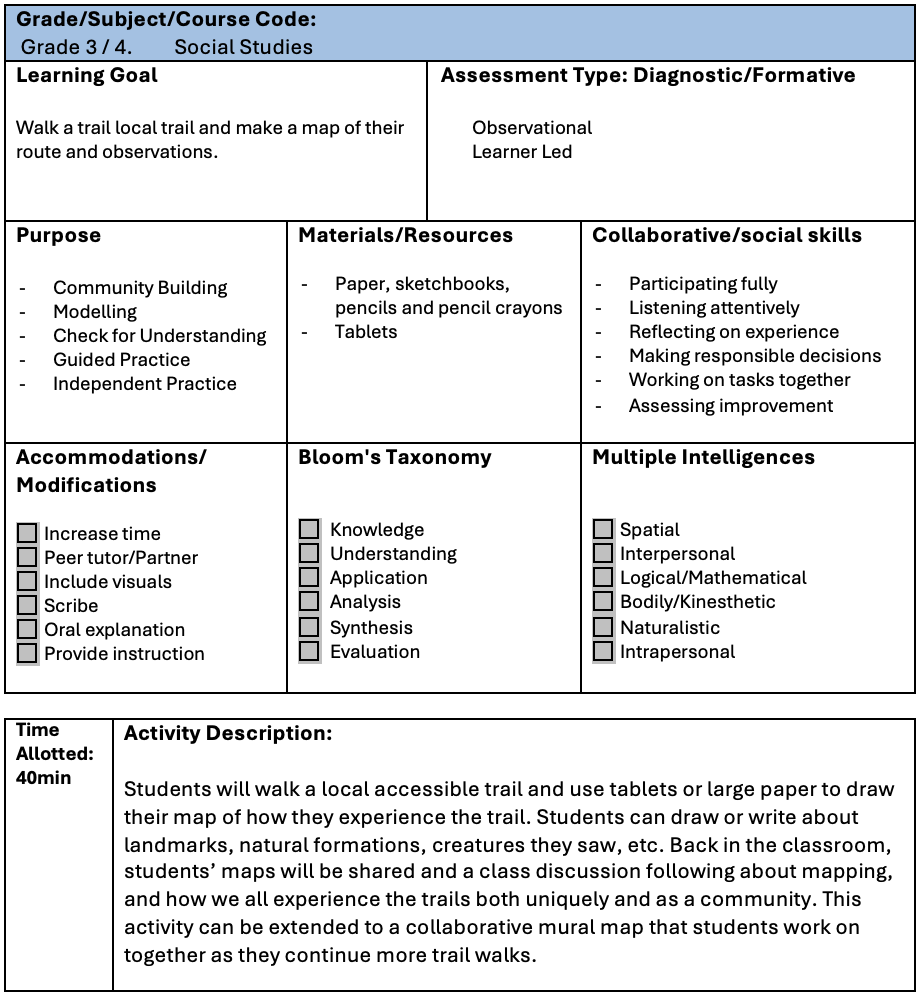
Short experiential activities are an effective way to keep learners engaged, assess their prior knowledge, and foster a sense of collaboration within the group. Learning through authentic experiences plays an important role in developing deeper understanding, strengthening skill development, and increasing student motivation. Experiential activities encourage critical thinking, resilience, and adaptability while actively involving students in their learning. Providing opportunities for experiential learning also supports a more holistic education, allowing students to apply what they know in meaningful, real-life contexts. These kinds of activities let students have the opportunity to develop important skills such as critical thinking, problem solving, imagination and creativity, and connect them to the real world they are embedded in.
Cooperative Games
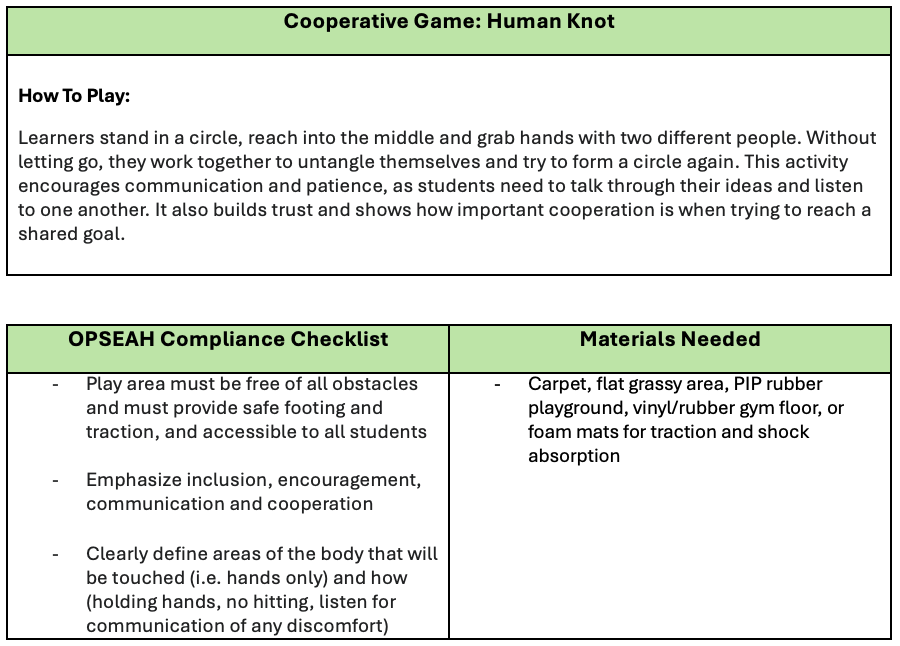
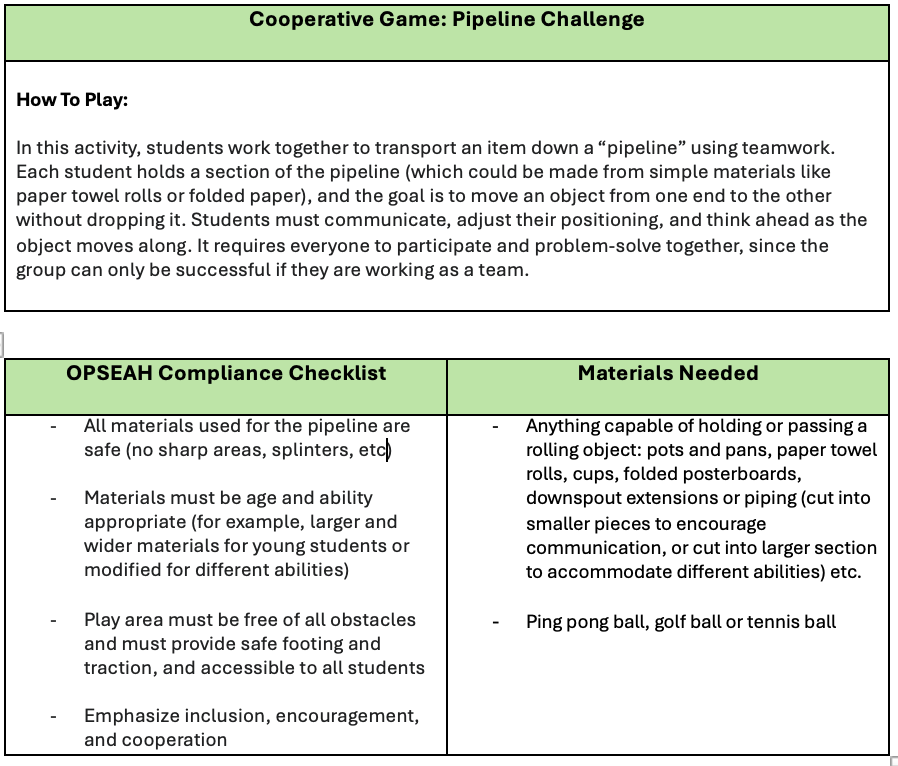
Cooperative games help build teamwork, communication, and trust among students while teaching them how to work together instead of competing against one another. They emphasize participation, inclusion, and shared success; creating an environment where all students can feel valued and supported. Cooperative games also help students develop a sense of belonging within their school community, which can have a positive impact on their overall well-being and learning.
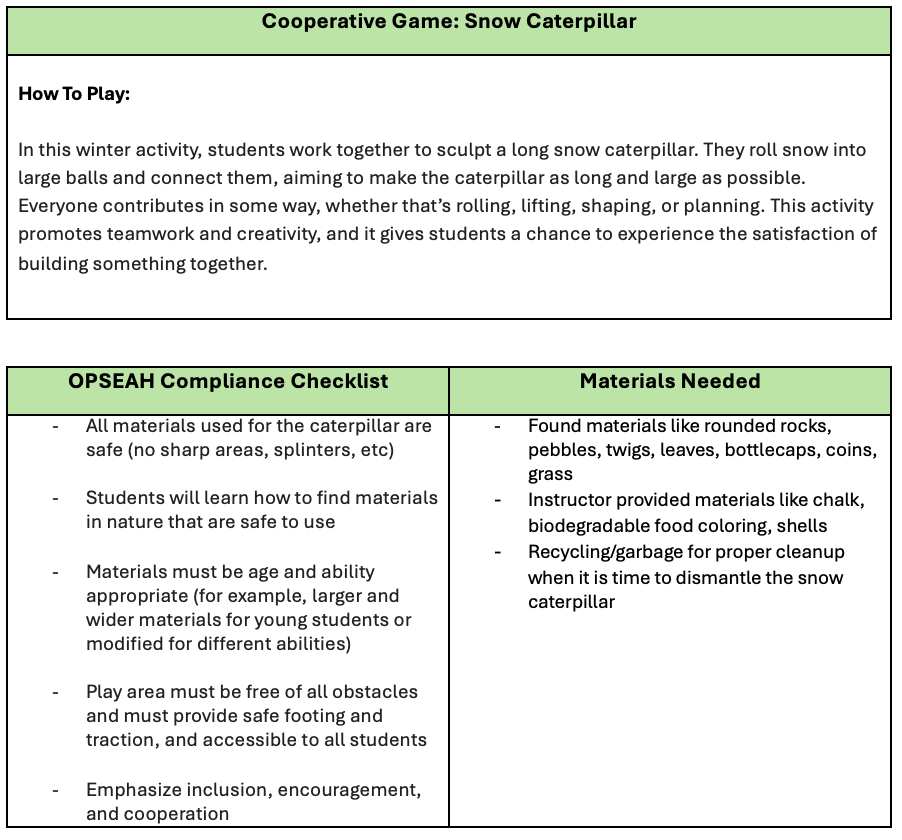

Sample Outdoor Education Lesson Plans
Explore a curated collection of our past work, where imagination meets strategy. Each project reflects our drive to deliver thoughtful, effective solutions.


Client
The Atlas Project
Year
01/01/0001


Year
01/01/0001
Client
The Echo Project